Introduction to Product Design
Introduction to Product Design
An introduction to Industrial Design as a human-centered, problem-solving discipline that blends creativity, engineering, and social awareness.
Course Instructor
Prof. Girish Lone
Duration
8 Weeks
Course Fee
500
-
Interested?
Enroll in this Course
About The Course
This course introduces senior secondary school students to Industrial Design as a human- centered, problem-solving discipline that integrates creativity, engineering, and social awareness.The course aims to develop observation, empathy, and structured thinking skills while creating awareness about design education and careers. Course Learning Outcomes Upon completion, students will be able to:
• Understand the role of Industrial Design
• Observe and analyze everyday products
• Apply a basic design process
• Communicate ideas through sketches
• Propose a simple desgin concept
Course Instructor

Prof. Girish Lone
Professor, Department of Design, Indian Institute of Technology, Kanpur
Girish Lone is an national award winning Industrial Designer and design educator with more than 20 years of professional experience in design research, product design & design-led innovation. He is the Founder of DesignLIFE, an industrial design consultancy, and serves as Professor of Practice in the Department of Design at IIT Kanpur.
His work focuses on mainly 3 aspects, making products appealing for masses with beautiful designs, translating user needs & technological constraints into user friendly products and enable mass production of designs. Alongside professional practice, he is actively engaged in design education, teaching Industrial Design and Design Thinking to schools and undergraduate students.
Through this course, he aims to introduce high school students to Industrial Design as a structured, human-centered problem-solving discipline and a potential field of study.
Content Overview
Course Duration: 8 Weeks
Week 1: Introduction to Industrial Design
- What is Design
- Role of Designers
- Indian Examples of Industrial Design
Week 2: Observation & Design Awareness
- Identifying Problems in Daily Life
Week 3: Users & Empathy
- Understanding Users
- Identifying Needs
- Understanding Contexts
Week 4: Form, Function & Materials
- Relationship Between Shape and Use
- Material Selection and Application
Week 5: Design Process
- Structured Approach to Problem-Solving
Week 6: Sketching for Designers
- Visual Thinking Techniques
- Communicating Ideas Through Sketches
Week 7: Hands-on Design Project
- Problem Identification
- Concept Development
Week 8: Design Careers & Pathways
- Educational Opportunities in Design
- Entrance Examinations
- Professional Career Paths
Live Sessions: Weekly live interactive sessions on Saturdays
Course Eligibity
Students from partnered schools in any stream of Class IX, X, XI and XII
Assessment Layout
Assignments: The course includes the release of 4 bi-weekly online assignments (every alternate week). Students need to attempt at least 3 of these assignments and must achieve a minimum score of 40 marks in each to be eligible for the certificate.
Take-Home Project: An optional project consisting of questions that cover all the topics from the theory videos, accompanied by a small project report.
Final Exam: An optional online final exam designed to assess the knowledge gained throughout the course, which can only be attempted after completing the required assignments with the a minimum score of 40 marks.
Certificate Acquisition
Participation Certificate - Check Sample Certificate
To receive this participation certificate, a student must pass 3 out of 4 assignments with an average score of at least 40 marks.Completion Certificate - Check Sample Certificate
To receive this completion certificate, a student must fulfill the following criteria:
- A student must pass 3 out of 4 assignments with an average score of at least 40 marks.
- Once the above condition is satisfied, the student should attempt the final exam and must receive a minimum score of 40 marks.
Take Home Project Certificate - Check Sample Certificate
To receive this additional certificate, a student must submit the project. A separate e-certificate will be awarded based on the course instructors' evaluation and feedback on the submitted project.
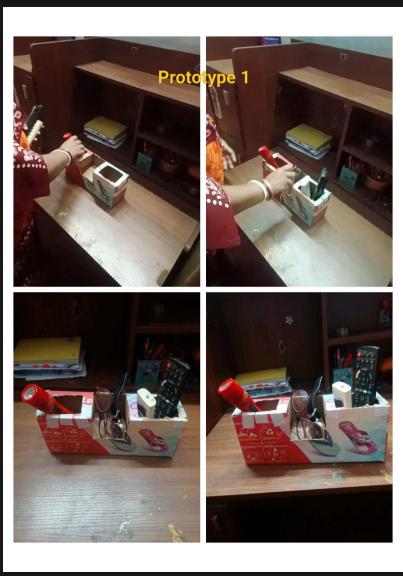
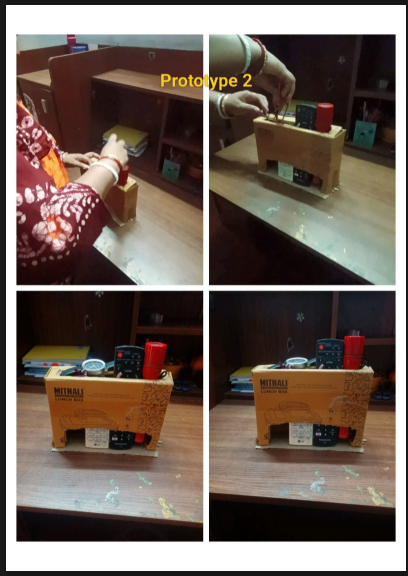
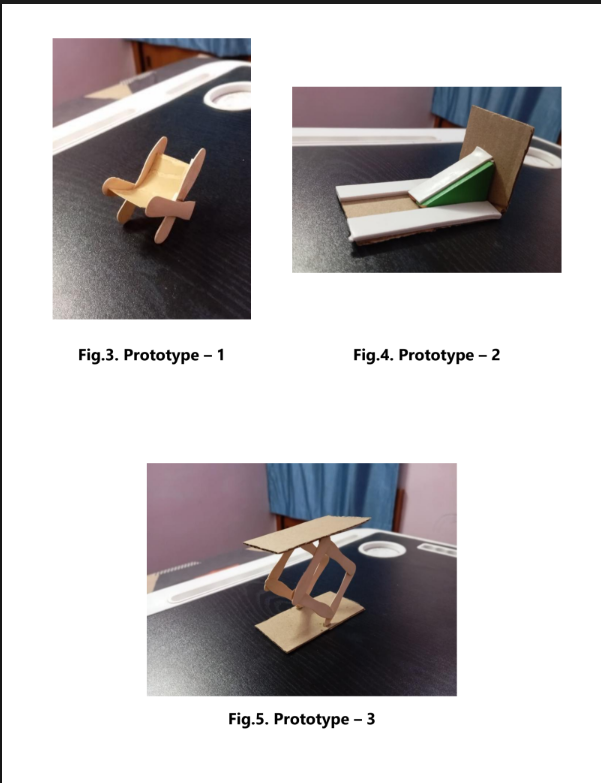
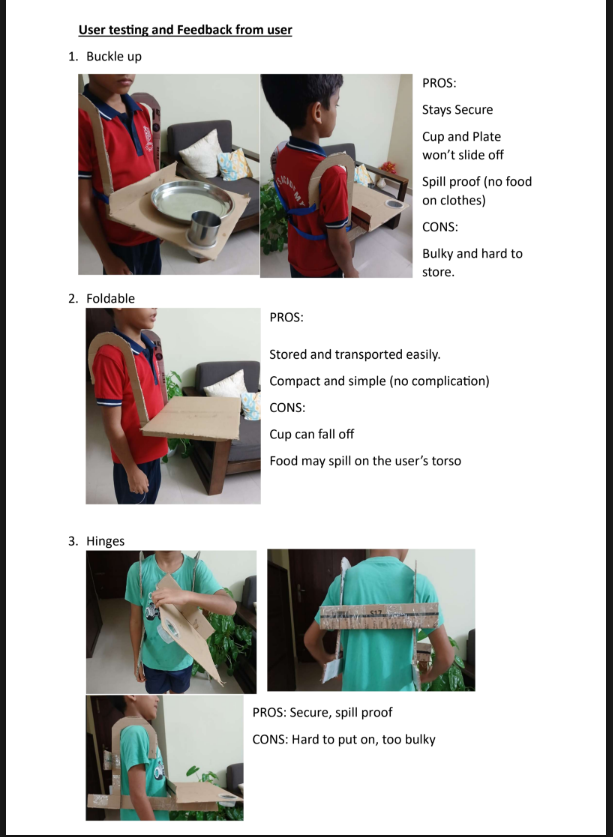
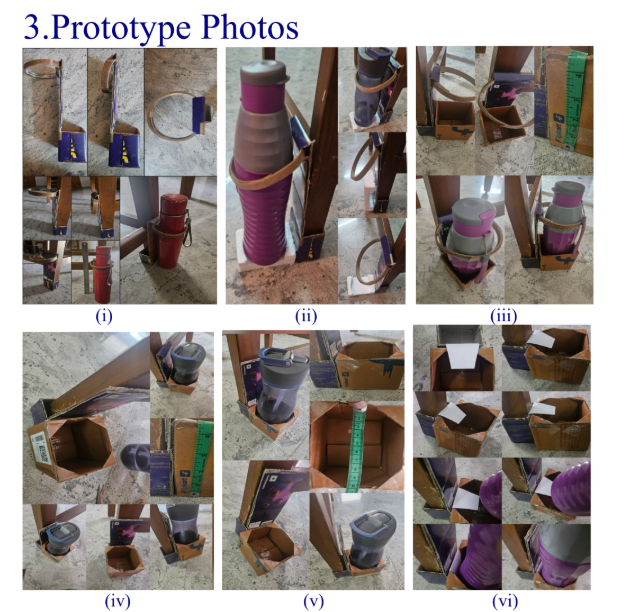
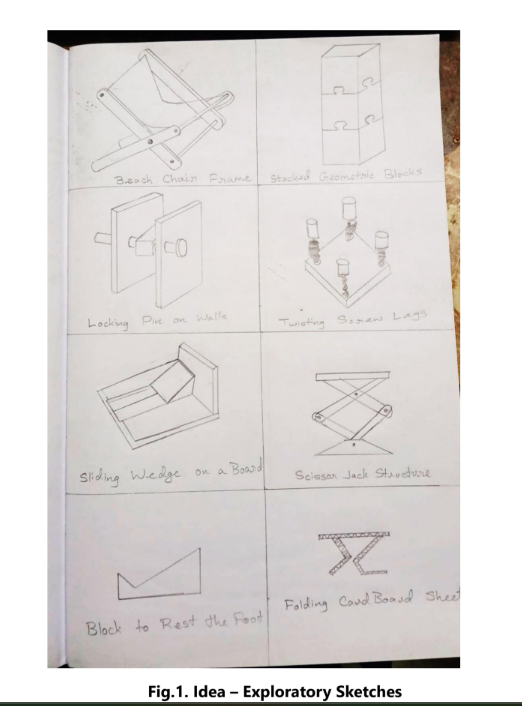
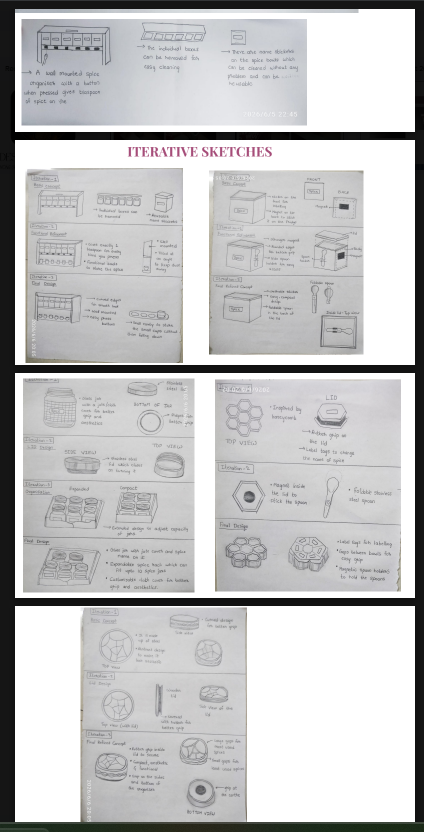
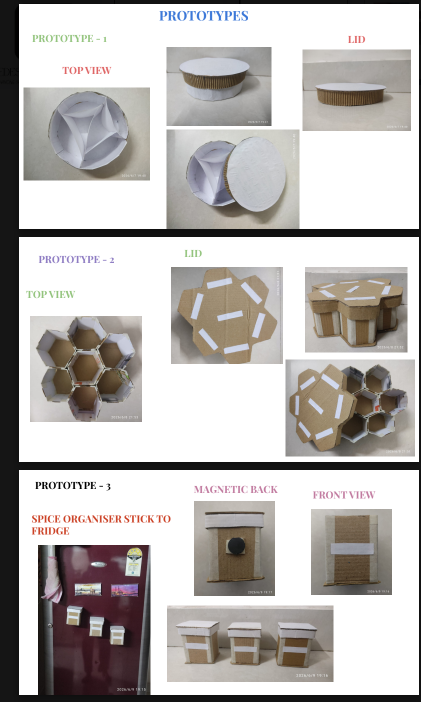
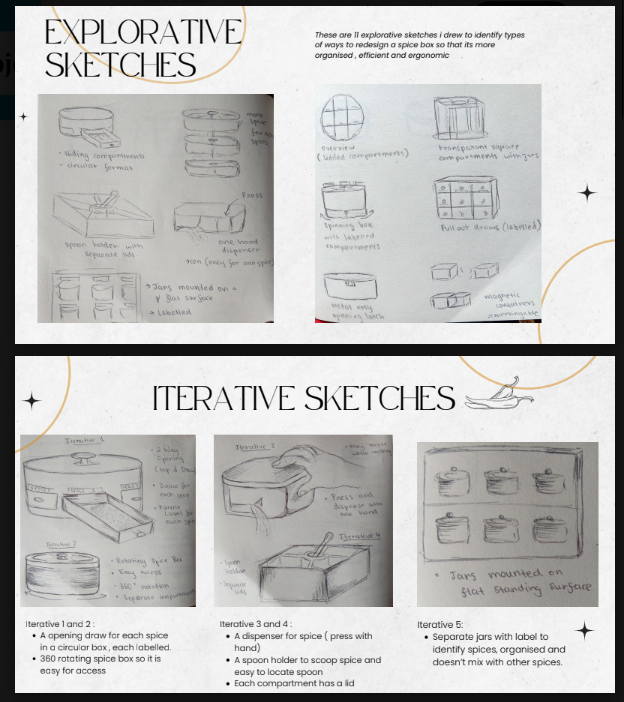
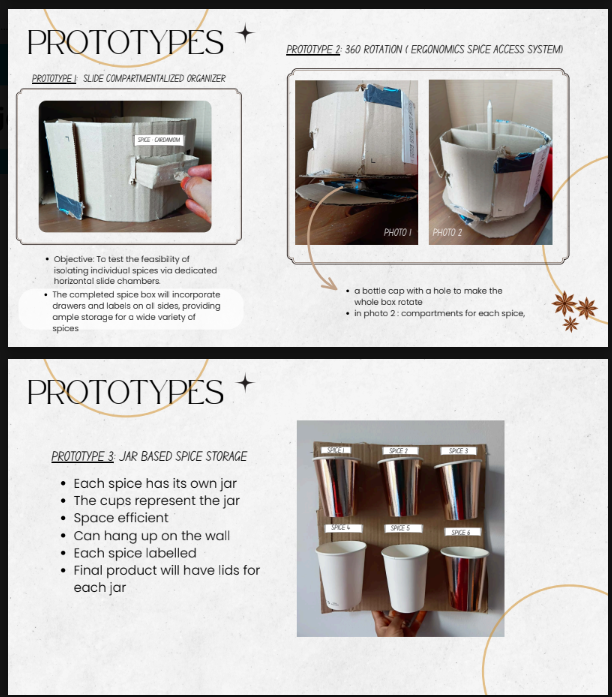
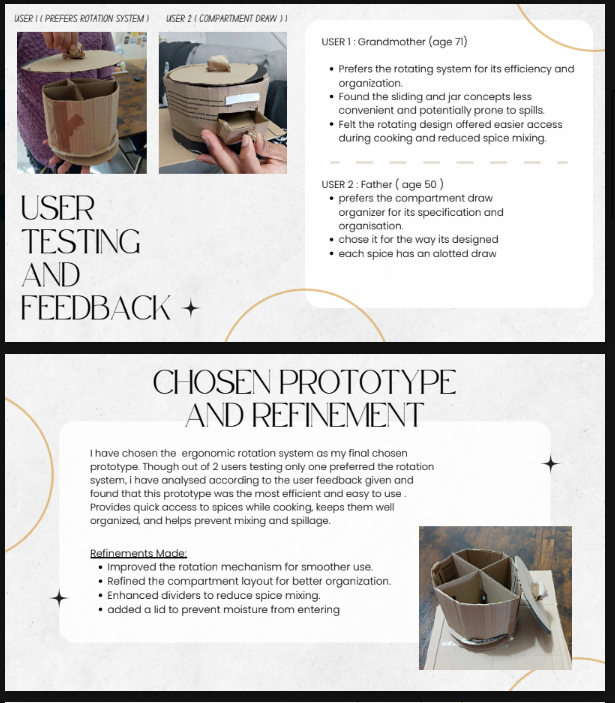
Student Projects